The Rise of AI-Powered Personalized Health Coaching: A New Paradigm in Preventative Medicine

Introduction: The Convergence of Technology and Wellness
The landscape of global healthcare is undergoing a seismic shift, moving away from a reactive ‘sick-care’ model toward a proactive, preventative framework. At the heart of this transformation lies the integration of Artificial Intelligence (AI) into the realm of personal wellness. AI-powered personalized health coaching is no longer a futuristic concept; it is a rapidly evolving reality that leverages big data, machine learning (ML), and wearable technology to provide individuals with tailored, real-time guidance. This professional exploration delves into the mechanics, benefits, and ethical considerations of AI-driven coaching, illustrating how it is democratizing access to expert health insights.
The Mechanics of AI Health Coaching





Traditional health coaching, while effective, is often limited by human constraints such as cost, availability, and the inability to process vast amounts of physiological data in real-time. AI-powered systems overcome these barriers by utilizing complex algorithms to analyze a multitude of data points. These include heart rate variability (HRV), sleep architecture, blood glucose levels, physical activity, and even genetic markers.
[IMAGE_PROMPT: A sophisticated digital interface showing a comprehensive health dashboard with 3D vital sign visualizations, heart rate graphs, and a glowing AI avatar interacting with a user in a minimalist high-tech setting.]
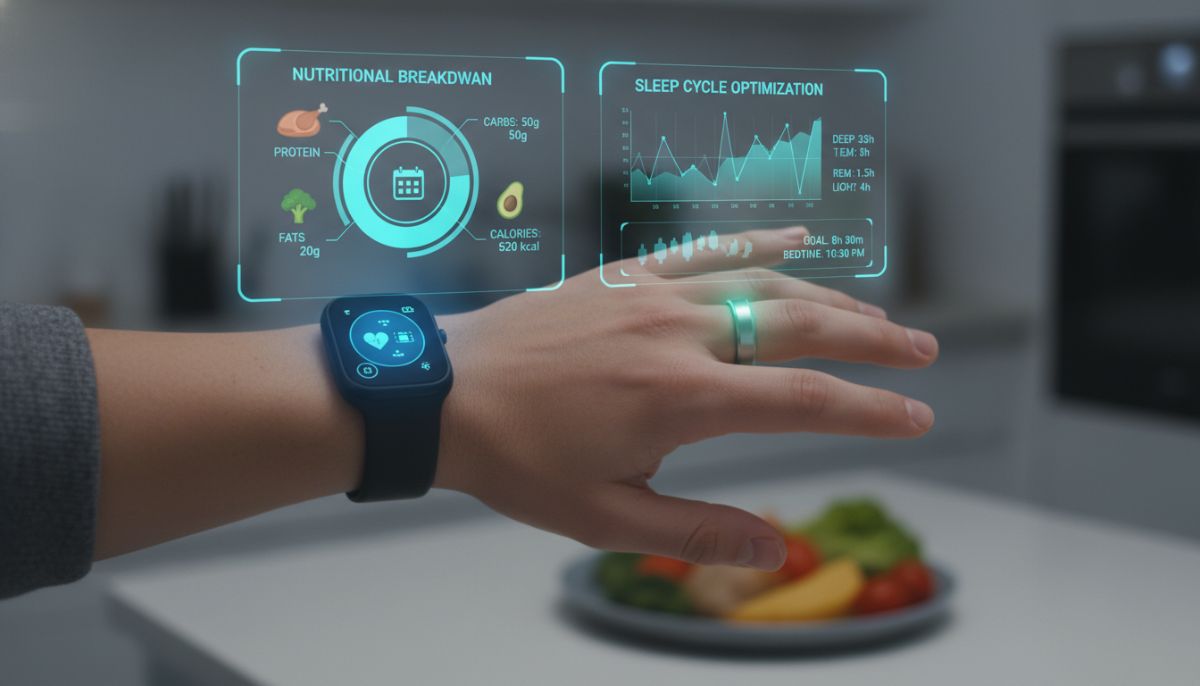
These platforms function through a continuous feedback loop. Sensors in wearables collect raw data, which is then processed by cloud-based AI models. These models compare current biometrics against historical trends and peer-reviewed medical research to deliver actionable insights. Unlike generic fitness apps that provide static goals (e.g., ‘walk 10,000 steps’), an AI coach might suggest a lower-intensity workout because it detects signs of overtraining or poor recovery through autonomic nervous system data.
Hyper-Personalization and Behavioral Nudging
The true power of AI in health coaching lies in its capacity for hyper-personalization. No two human bodies are identical; metabolism, circadian rhythms, and stress responses vary significantly between individuals. AI algorithms can identify these unique patterns and adapt recommendations accordingly.
The Science of Nudging
Behavioral science plays a critical role in the efficacy of AI coaches. By utilizing ‘nudges’—gentle, timely reminders or suggestions—AI can influence user behavior without being intrusive. For instance, if the AI detects a dip in focus mid-afternoon, it may suggest a specific breathing exercise or a protein-rich snack based on the user’s previous metabolic responses. This level of precision ensures that the guidance is not only scientifically sound but also highly relevant to the user’s immediate context.
Bridging the Gap in Chronic Disease Management
One of the most significant applications of AI-powered coaching is in the management of chronic conditions such as Type 2 diabetes, hypertension, and obesity. Chronic diseases require constant vigilance—something that traditional clinical visits, occurring perhaps once every few months, cannot provide.
AI coaches act as a 24/7 companion for patients. For a diabetic user, an AI system can predict glucose spikes before they occur by analyzing food intake patterns and physical activity. By providing immediate intervention strategies, these systems help patients maintain their health within optimal parameters, significantly reducing the risk of long-term complications and the burden on public health systems.
Democratizing Access to Expertise
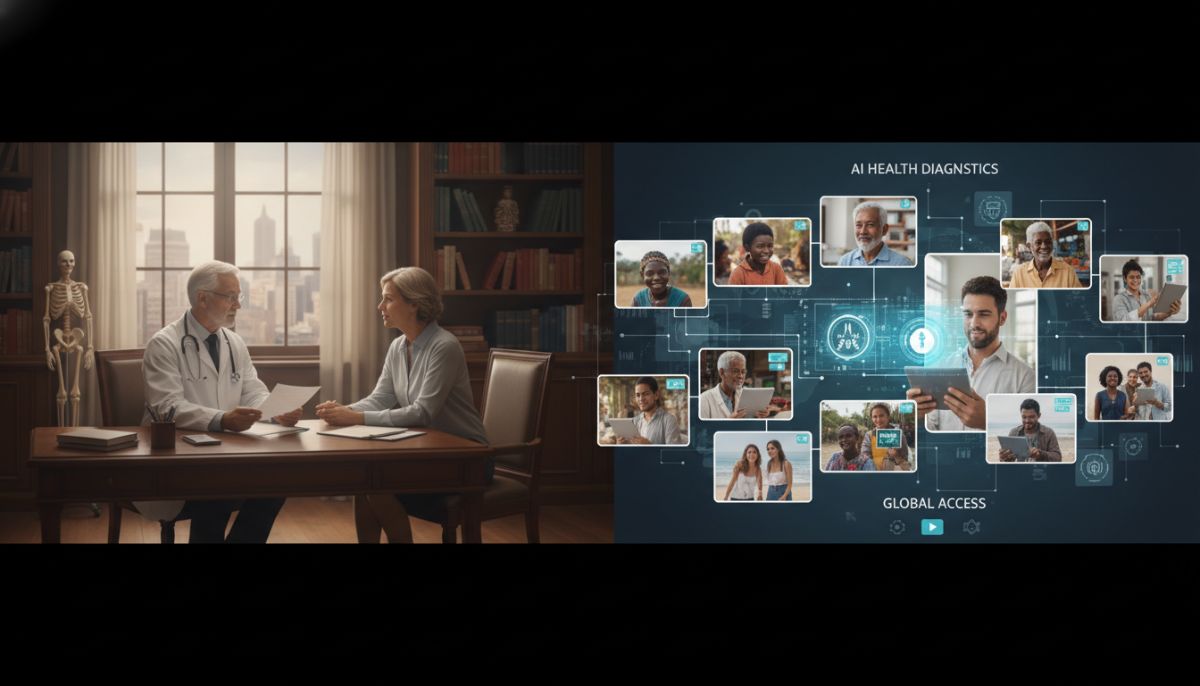
High-level health coaching, involving nutritionists, personal trainers, and sleep specialists, has historically been a luxury reserved for the affluent. AI-powered platforms are disrupting this hierarchy by providing high-quality, evidence-based coaching at a fraction of the cost. This democratization is vital for addressing health disparities across different socioeconomic groups. With a smartphone and a basic wearable, individuals can now access insights that were once only available through specialized medical clinics.
The Integration of Generative AI and LLMs
The advent of Large Language Models (LLMs) has further enhanced the capabilities of AI health coaches. Natural Language Processing (NLP) allows these systems to interact with users in a more human-like, empathetic manner. Instead of receiving clinical data reports, users can engage in a dialogue with their AI coach, asking questions like, ‘Why do I feel tired today?’ and receiving a comprehensive answer that synthesizes their recent sleep data, caffeine intake, and activity levels.
Ethical Considerations and Data Privacy
Despite the undeniable benefits, the rise of AI-powered health coaching brings significant ethical challenges. The most prominent is data privacy. Health data is among the most sensitive information an individual possesses. Ensuring that this data is encrypted, stored securely, and not sold to third-party advertisers or insurance companies is paramount to maintaining public trust.
Furthermore, there is the risk of algorithmic bias. If the datasets used to train these AI models are not diverse, the coaching recommendations may be less effective or even harmful for certain demographic groups. Developers must prioritize inclusivity and transparency in their algorithmic frameworks to ensure equitable health outcomes for all users.
The Future: A Hybrid Model of Care
The future of healthcare does not lie in the replacement of human doctors with AI, but rather in a hybrid model of care. AI-powered coaching should be viewed as a tool that augments the capabilities of medical professionals. By handling the daily monitoring and behavioral aspects of health, AI allows physicians to focus on complex diagnoses and acute interventions. In this symbiotic relationship, the AI provides the data-driven ‘how,’ while the human professional provides the empathetic and clinical ‘why.’
Conclusion
AI-powered personalized health coaching represents a fundamental shift in how we approach human longevity and well-being. By transforming passive data into active intelligence, these systems empower individuals to take control of their health with unprecedented precision. As technology continues to advance—integrating genomic data and real-time biochemical sensing—the potential for AI to extend the human healthspan is immense. While we must navigate the ethical complexities with care, the promise of a world where every individual has access to a personalized, intelligent health mentor is a milestone in the history of medicine.