The Evolution of Productivity: Navigating the Best Autonomous AI Agents for Modern Business

Introduction: The Dawn of the Agentic Era
The landscape of artificial intelligence is undergoing a seismic shift. While 2023 was the year of the Large Language Model (LLM) as a conversational interface, 2024 and beyond belong to the Autonomous AI Agent. For businesses, this transition represents a move from passive tools that require constant prompting to proactive partners capable of executing complex workflows with minimal human intervention.
Autonomous AI agents are software entities designed to achieve specific goals by breaking them down into tasks, reasoning through steps, using external tools, and self-correcting based on feedback. For the modern enterprise, these agents offer a path toward unprecedented efficiency and scalability. This article explores the best autonomous AI agents currently available for business applications and how they are redefining industrial productivity.





Understanding the Core Components of an AI Agent
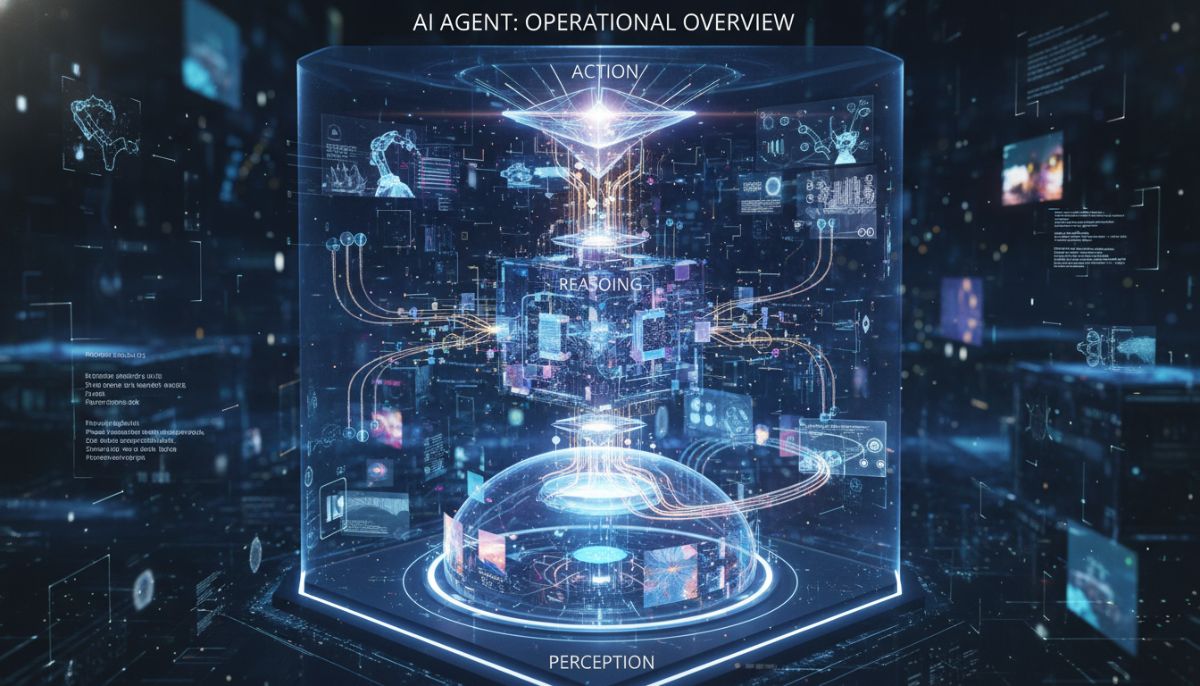
To appreciate the value of the leading agents, one must understand what sets them apart from standard chatbots. A true autonomous agent possesses four critical components:
1. Perception: The ability to ingest data from various sources (APIs, web browsing, databases).
2. Reasoning: Utilizing LLMs to plan, strategize, and make decisions.
3. Action: The capacity to interact with software, write code, or execute commands.
4. Memory: Short-term and long-term storage to learn from past actions and maintain context.
1. Microsoft AutoGen: The Power of Multi-Agent Collaboration
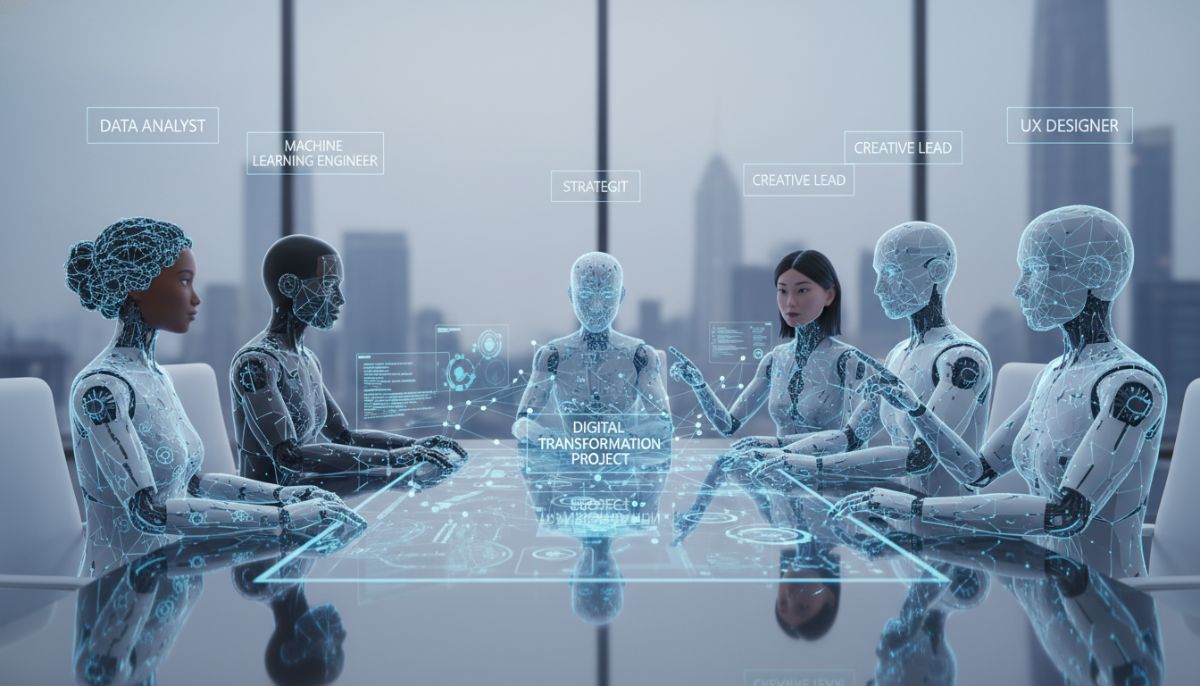
Microsoft AutoGen has emerged as a frontrunner for enterprises seeking to build complex, multi-agent systems. Unlike single-agent frameworks, AutoGen allows developers to create multiple agents that can talk to each other to solve tasks. For example, a business can deploy a ‘Coder’ agent, a ‘Reviewer’ agent, and a ‘Manager’ agent.
Business Impact:
AutoGen is particularly effective in software development and complex data analysis. By simulating a team environment, it reduces the error rate in code generation and ensures that output is cross-verified before delivery. Its flexibility makes it a top choice for organizations with deep technical stacks that require customized AI workflows.
2. CrewAI: Orchestrating Role-Based Agentic Workflows
CrewAI is gaining massive traction for its focus on ‘Role-Playing’ agents. It allows businesses to define specific roles (e.g., Senior Research Analyst, Content Strategist, Technical Lead) and assign them tasks within a structured ‘crew.’
Business Impact:
CrewAI excels in marketing and research operations. A business can automate an entire market research pipeline: one agent scrapes the latest industry news, another synthesizes the trends, and a third drafts a strategic brief. The formal structure of CrewAI ensures that each agent operates within its defined expertise, mirroring a professional human department.
3. Devin by Cognition: The World’s First AI Software Engineer
While many agents assist with code, Devin is designed to act as a full-fledged software engineering teammate. Devin can plan and execute complex engineering tasks that require thousands of decisions. It can learn how to use unfamiliar technologies, build and deploy apps from end to end, and even find and fix bugs in existing codebases.
Business Impact:
For tech-heavy businesses or startups, Devin represents a massive reduction in the cost of development. It allows human engineers to focus on high-level architecture and creative problem-solving while Devin handles the repetitive, labor-intensive aspects of coding and debugging.
4. AgentGPT and BabyAGI: Accessible Task Management
For businesses looking for more user-friendly, web-based solutions, AgentGPT and platforms inspired by the BabyAGI framework provide a gateway into autonomy. These tools allow users to deploy agents directly in the browser to conduct web research, plan travel, or manage social media scheduling.
Business Impact:
These tools are ideal for small to medium enterprises (SMEs) that need to automate routine administrative tasks without a heavy investment in custom development. They serve as a ‘force multiplier’ for solo entrepreneurs and small teams by handling the cognitive load of project planning.
5. HyperWrite Personal Assistant: Streamlining Daily Operations
HyperWrite has pivoted from being a simple writing assistant to a powerful autonomous agent that can operate the browser like a human. It can send emails, manage LinkedIn outreach, and organize files across cloud storage platforms.
Business Impact:
This is a game-changer for sales and HR departments. Automating the outreach and follow-up process allows human staff to spend more time on interpersonal relationship building rather than data entry and cold messaging.

Strategic Implementation Challenges
Despite the immense potential, integrating autonomous agents into a business is not without challenges. Leaders must consider:
- Security and Privacy: Giving an agent access to company credentials and data requires robust sandboxing and encryption.
- Hallucination Management: Agents can still make mistakes. Implementing ‘Human-in-the-Loop’ (HITL) checkpoints is essential for mission-critical tasks.
- Cost Management: Running high-level LLMs for thousands of agent cycles can become expensive if not monitored correctly.
The Future: From Tools to Teammates
The trajectory of AI agents suggests a future where every employee has a personalized squad of agents. We are moving toward ‘Agentic Workflows’ where the primary role of a human manager is to define objectives and provide the ethical and creative oversight for their autonomous digital workforce.
Conclusion
The best autonomous AI agents for business—ranging from the collaborative power of Microsoft AutoGen to the specialized engineering skills of Devin—are no longer theoretical. They are functional, value-generating assets. For businesses to stay competitive in the coming decade, adopting an ‘agent-first’ mentality will be crucial. By leveraging these technologies, organizations can unlock new levels of creativity, speed, and precision, fundamentally changing what it means to go to work in the 21st century.